

Sports Trainer
Interested in joining a PFL club as a Sports Trainer?
Before getting started, we recommend obtaining your Sports Trainer Level 1 qualification. Then, submit an Expression of Interest, and we’ll help connect you with a suitable club.
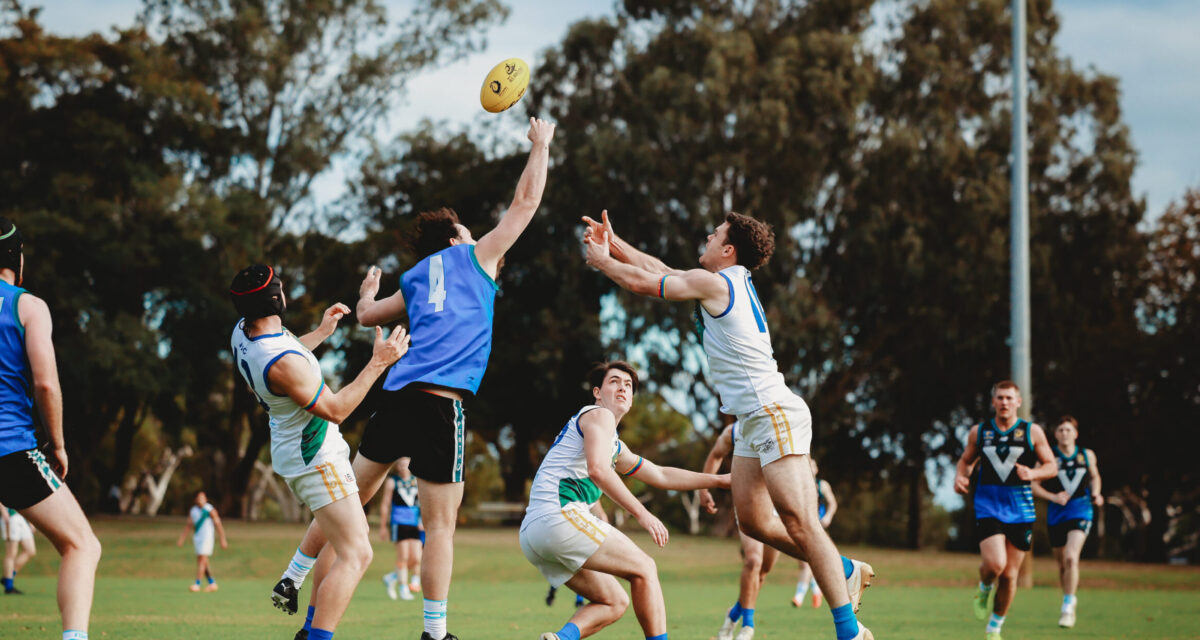
Sports Trainers play a vital role in keeping our players safe, supported and ready to perform. To get involved, you only need a Level 1 Sports Trainer accreditation, with courses hosted locally throughout the year – perfect for volunteers looking to attend a one-off session and make a real difference on game day.
How to Become a Trainer at a PFL Club
To become accredited, you need Level 1 Sports Trainer accreditation. Sports Medicine Australia (SMA) offers a range of one-day Level 1 courses throughout the year, check them out.
Club Trainer Expression of Interest Form
Register your interest to become a PFL club umpire and we’ll help pair you with a local club. Alternatively, you’re welcome to connect with a club yourself.
Uniform Requirements
PFL trainers must wear the official PFL grey Trainer top while performing their role.
Support Personnel Uniform Information
View Support Personnel Uniform Requirements
Trainer Roles and Responsibilities
Before the Game
- Arrive early and set up the medical area (first aid kit, stretcher, ice, strapping gear, ect.)
- Check all equipment is stocked and working
- Introduce yourself to coaches/umpires and confirm any player concerns
- Be aware of emergency procedures and ground access points
During the Game
- Monitor play for injuries and be ready to respond immediately
- Provide first aid and injury management (strapping, bleeding control, soft tissue treatment, etc.)
- Assess head knocks/concussion and remove players if there are any signs or symptoms
- Support safe return-to-play decisions (when appropriate)
- Communicate clearly with coaches, players, and umpires
- Ensure player welfare always comes first
Serious Injuries / Emergencies
- Take control of the situation and follow emergency action plans
- Stabilise the player and call emergency services if required
- Use equipment such as stretchers or defibrillators (if trained)
- Ensure the area is safe and managed while care is provided
After the Game
- Follow up on injured players and provide advice (e.g. GP review if needed)
- Record injuries/incidents (especially concussions)
- Restock and clean equipment for next use
Key Requirements
- Relevant first aid / sports trainer accreditation
- Understanding of concussion protocols
- Ability to stay calm under pressure and make decisions quickly
- Strong communication skills

Concussion Resources
Concussion management is a key responsibility of every Sports Trainer. Understanding how to recognise, assess and respond to a suspected concussion is an essential skill. Explore our concussion resources to learn more.
Detailed Guidance
National Community Football Policy Handbook
Check out the National Community Football Policy Handbook section on the ClubHelp website for the latest injury management guidance – including minimum requirements/qualifications, AFL-approved courses and Emergency Management Competency.
Check out the resources available on the AFL Play website.