Aboriginal and Torres Strait Islander Inclusion
The Perth Football League wishes to acknowledge the Whadjuk people of the Noongar Nation as the Traditional Custodians of the land on which many of our games are played and our community gathers. We pay our respects to Elders past and present and extend that respect to all Aboriginal and Torres Strait Islander peoples.
We recognise that football brings us together on Country, to compete, to connect and to belong, and we are committed to ensuring our game remains a place of respect, inclusion and shared understanding.
Club Resources
Developed in partnership with AFL Play, some of these materials offer ideas and best practices to support stronger engagement with Aboriginal and Torres Strait Islander communities.
Find information on First National mental health support services available to our football community.
Making Your Club Culturally Inclusive
A practical guide to help clubs create culturally safe and inclusive environments for Aboriginal and Torres Strait Islander people.
An interactive map showing the general locations of Aboriginal and Torres Strait Islander language and nation groups across Australia.
Tips for a more inclusive club.
A practical resource offering club-level tips and strategies to help community sport organisations become more diverse, welcoming and inclusive for all participants.
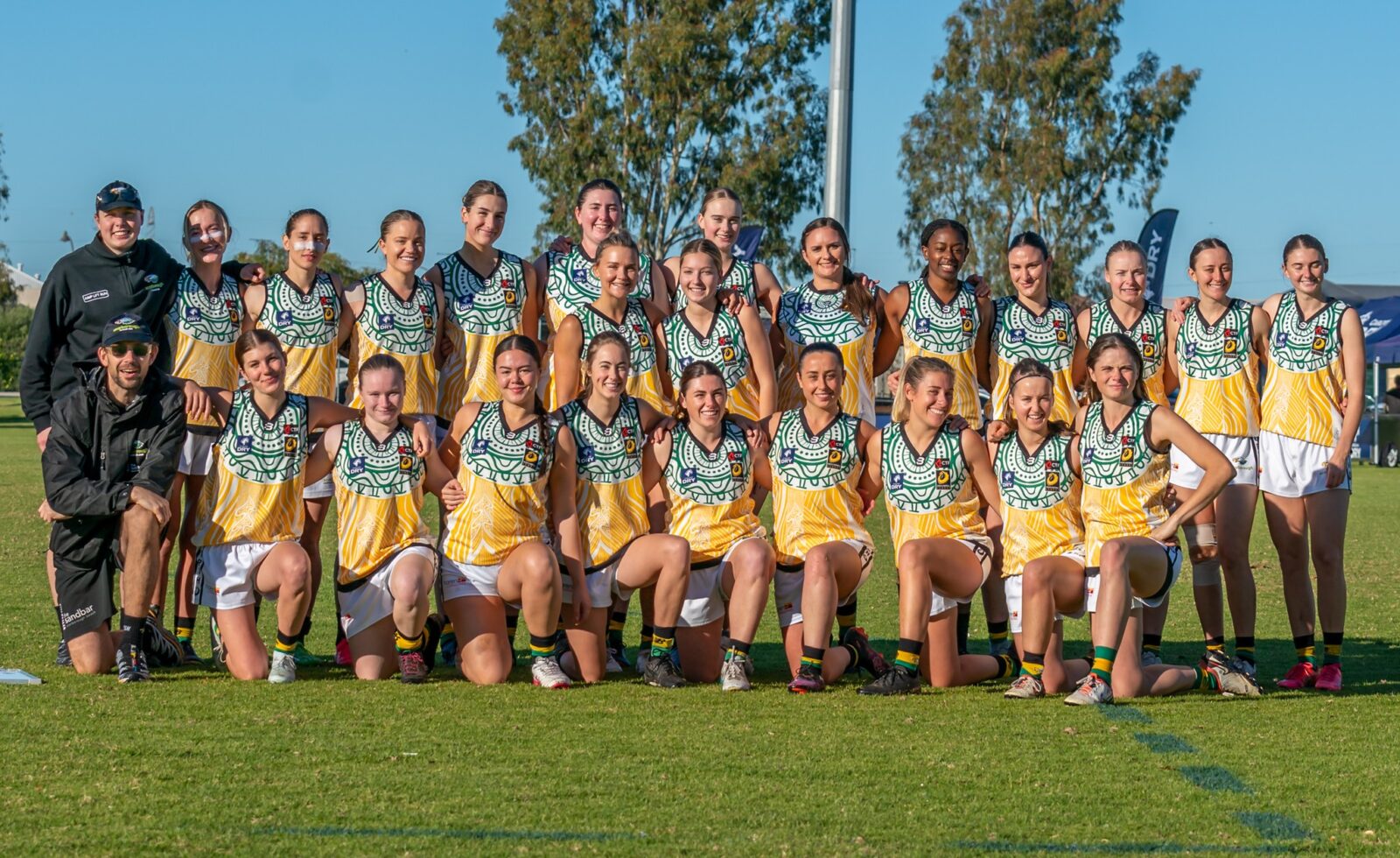
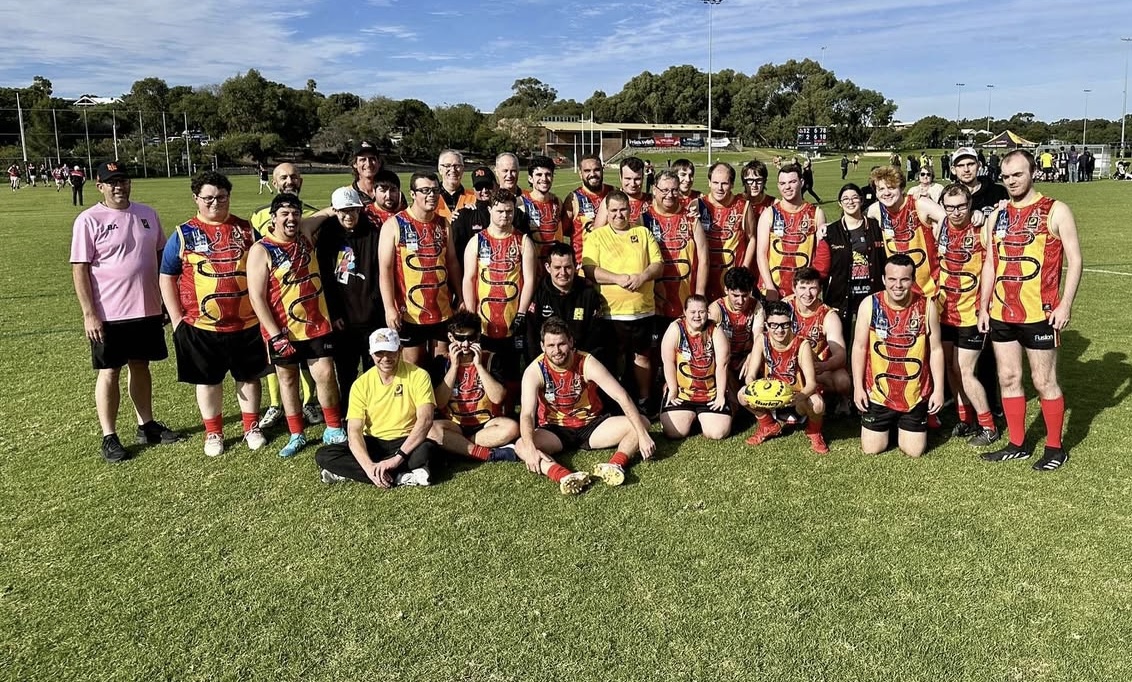
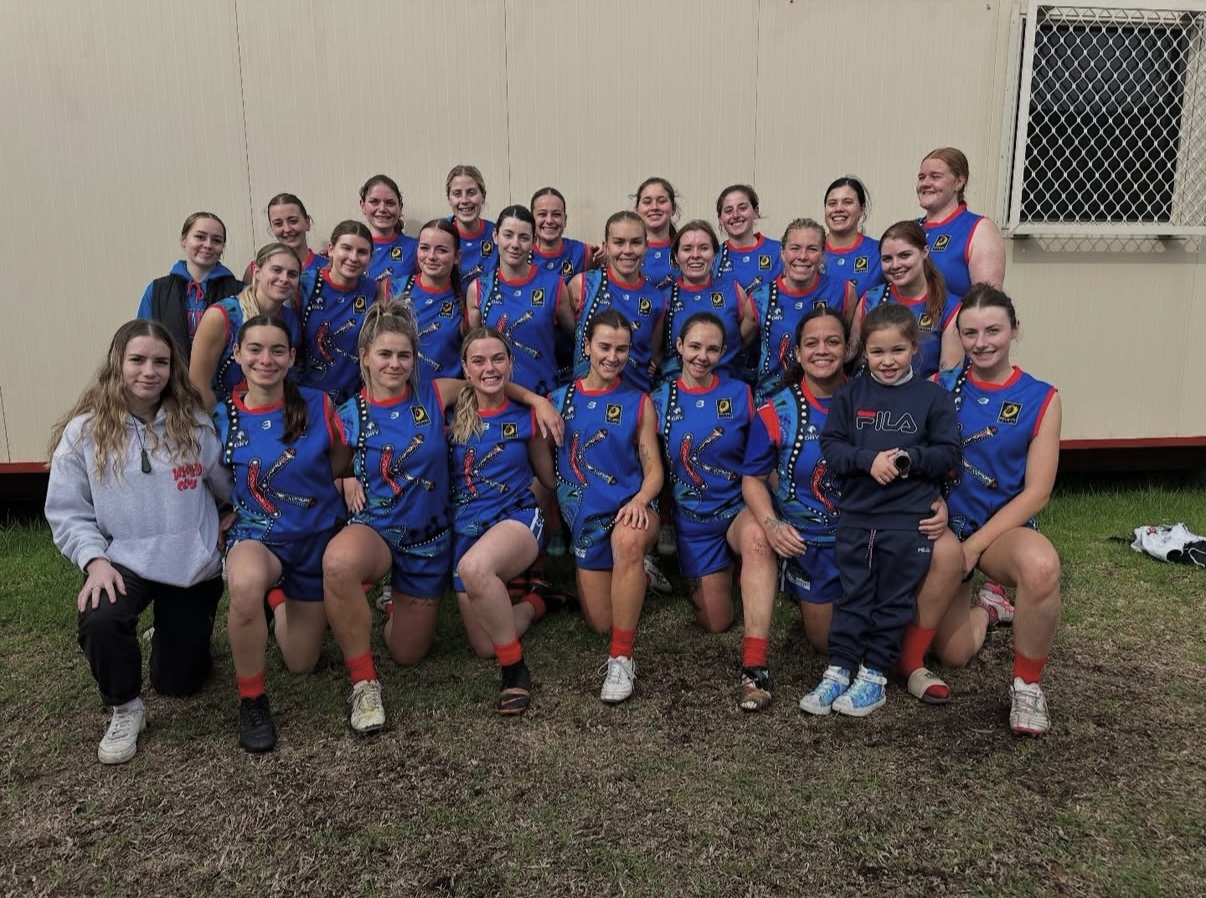
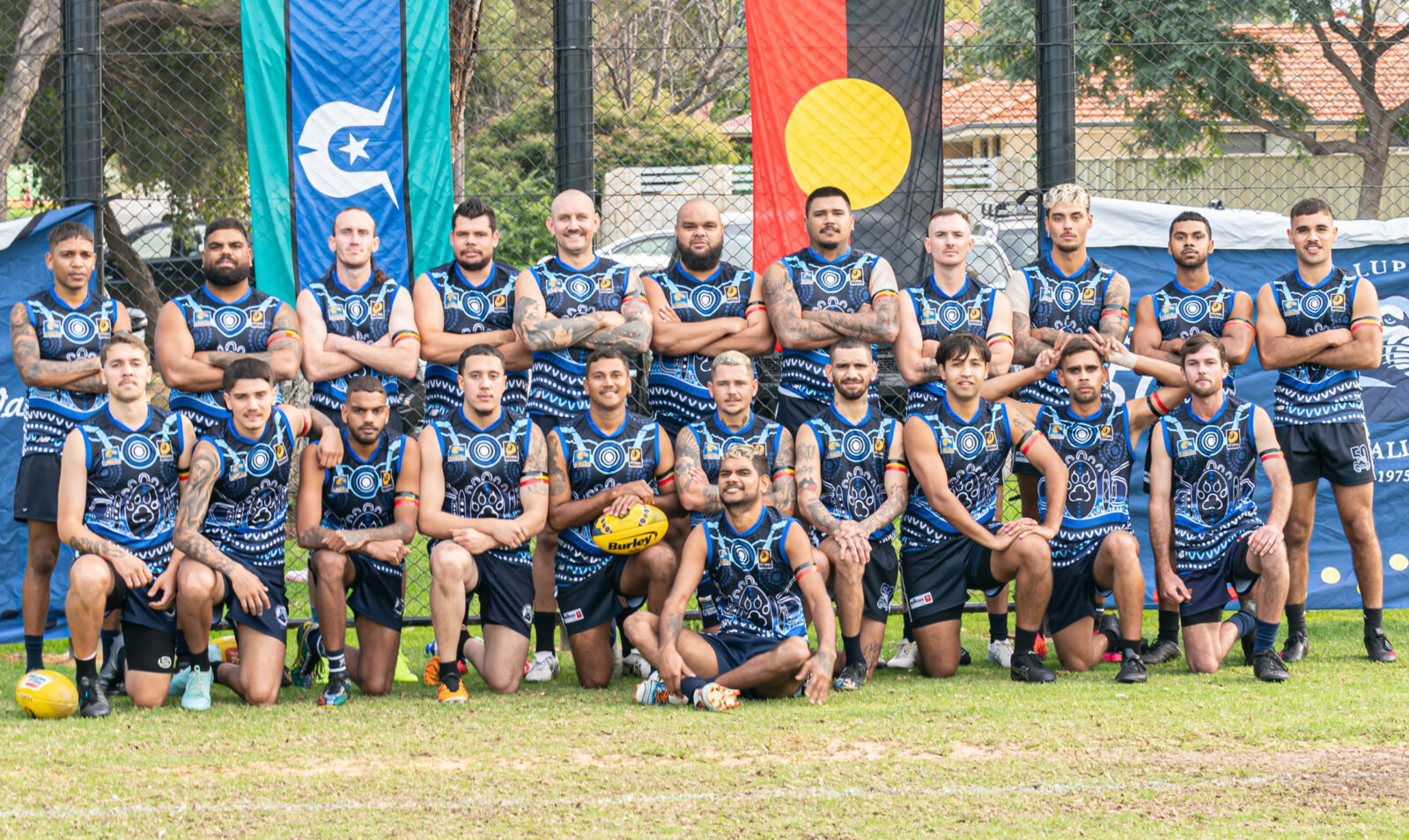
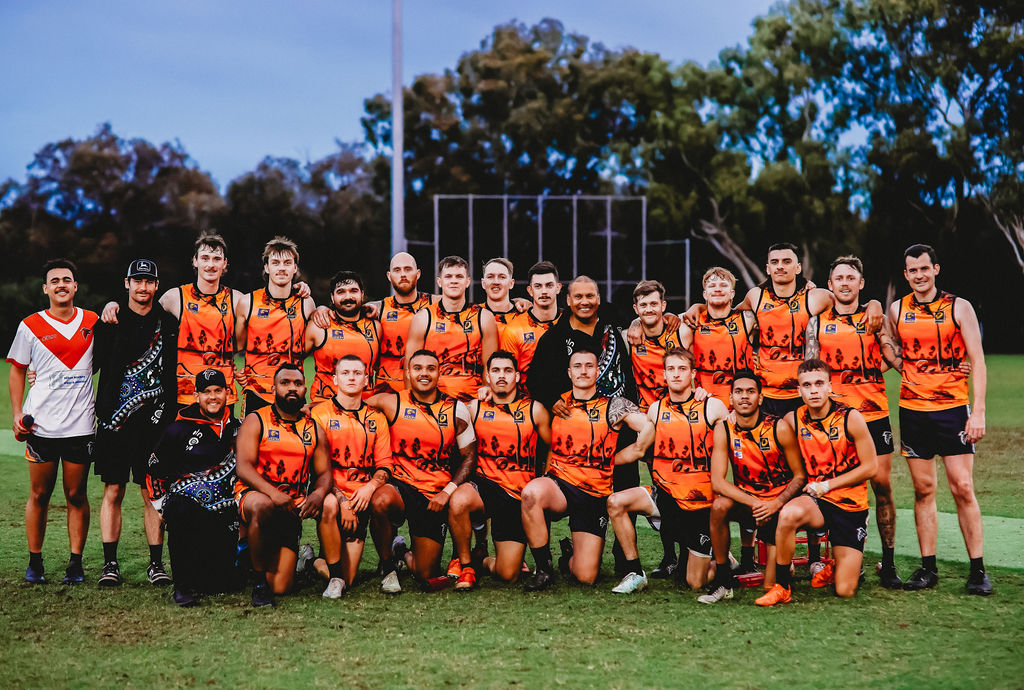
How should our club approach designing a NAIDOC Week jumper?
Clubs should first connect with Aboriginal and Torres Strait Islander players or members within their club to be involved in the design process. They may wish to contribute directly or recommend a family member, artist or community connection to assist.
If your club does not have anyone internally available, consider reaching out to your local government or Aboriginal organisation, who can help connect you with local artists or cultural representatives to ensure the design is developed respectfully and meaningfully.
NAIDOC Week & Round
NAIDOC stands for the National Aboriginal and Islanders Day Observance Committee.
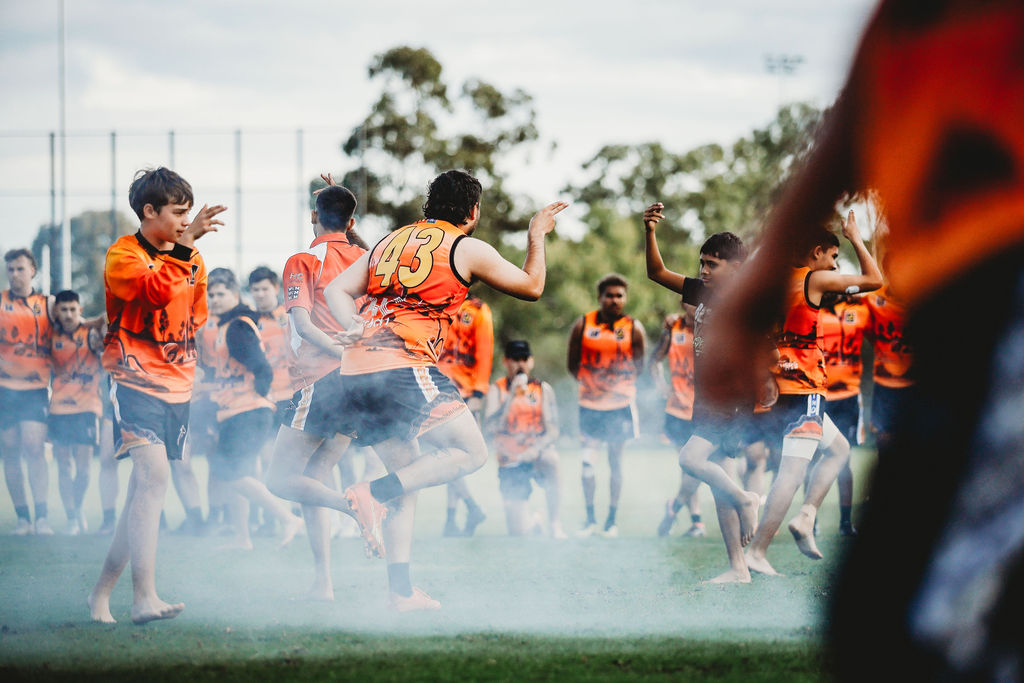
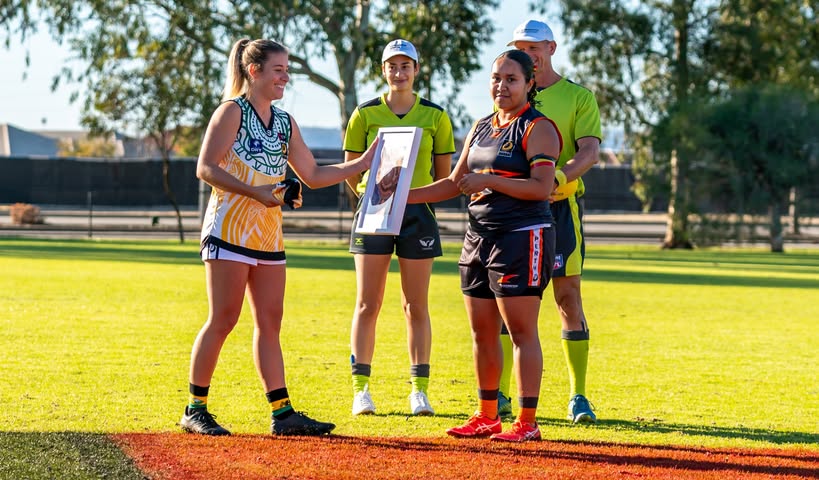
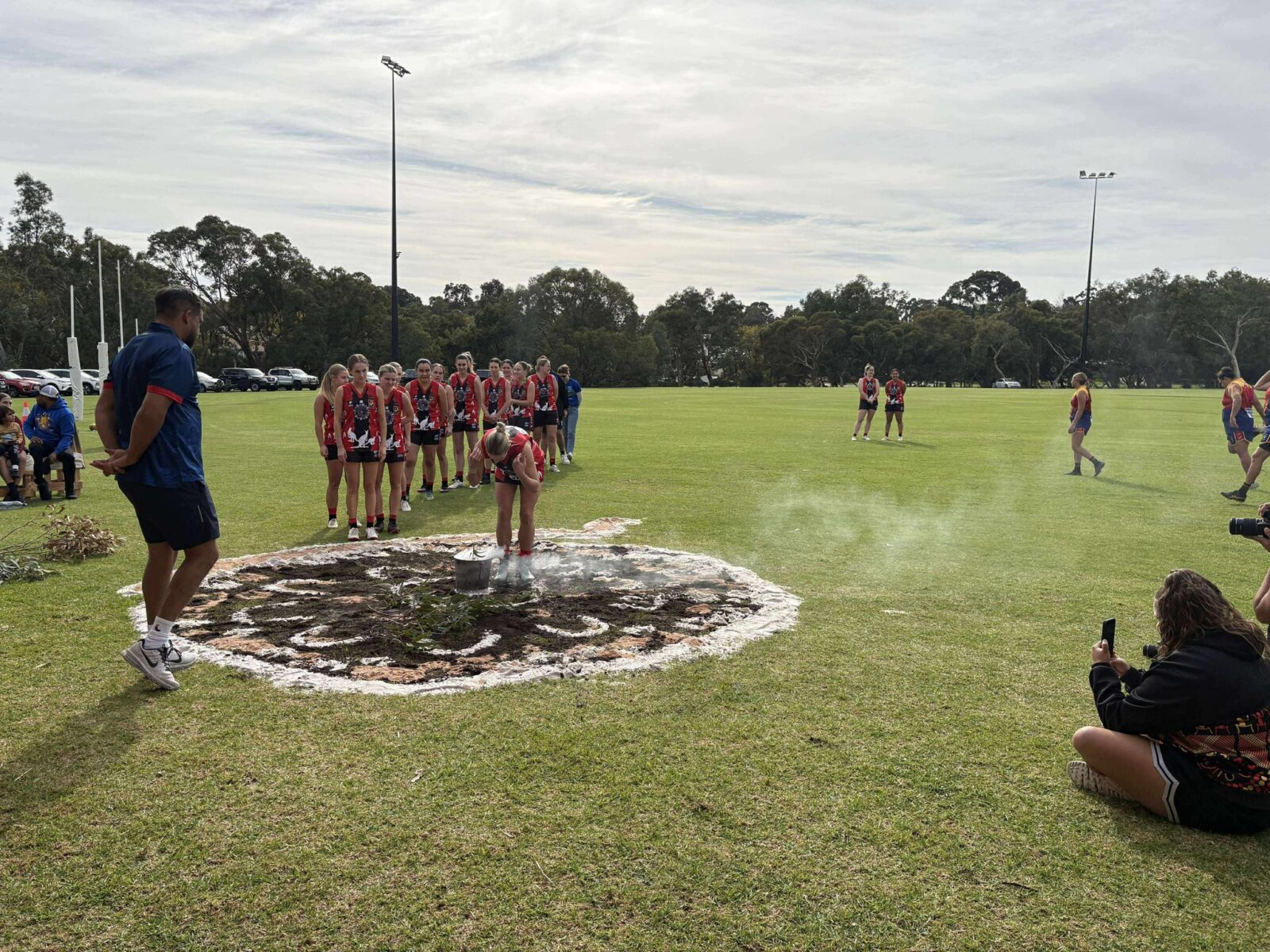
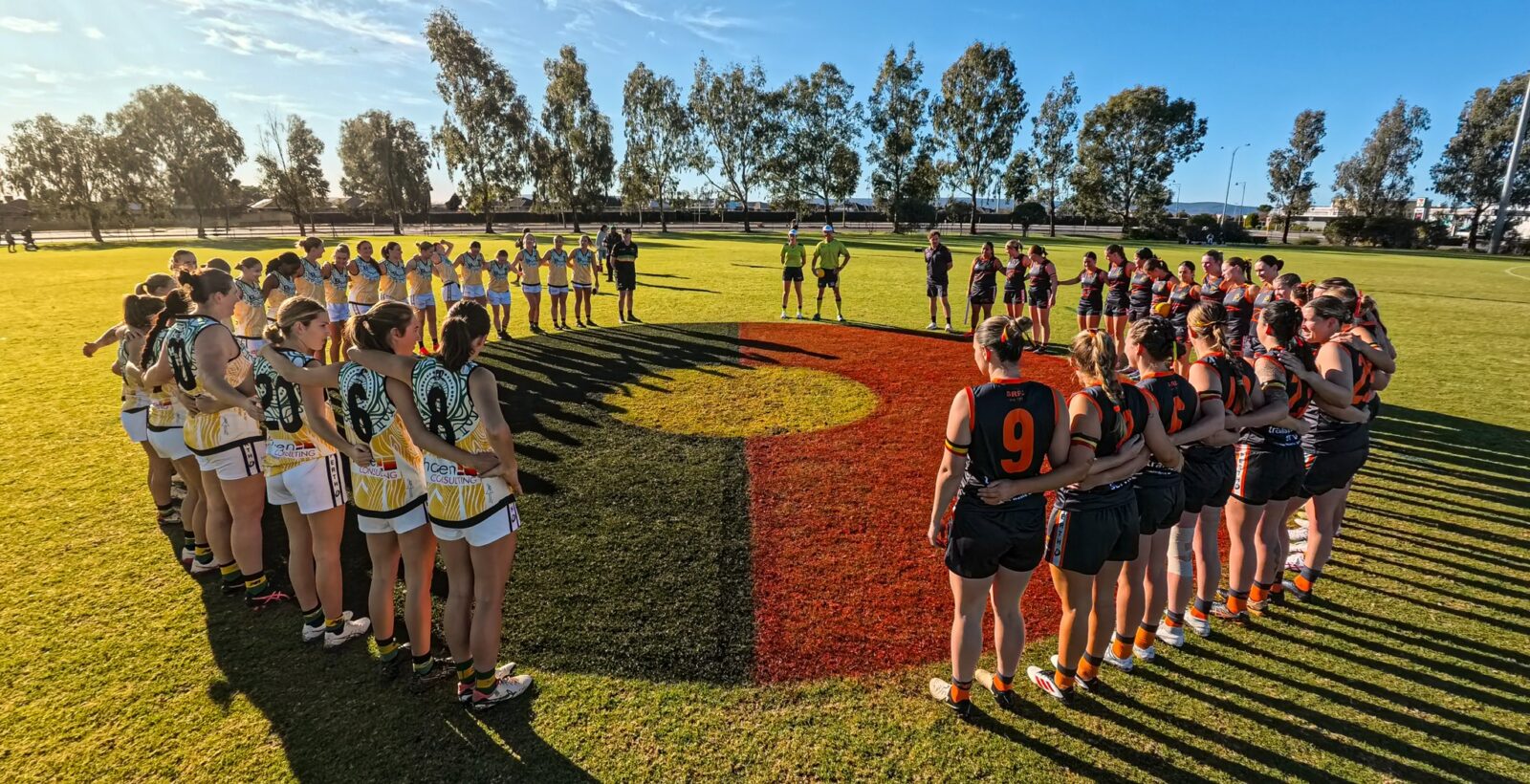
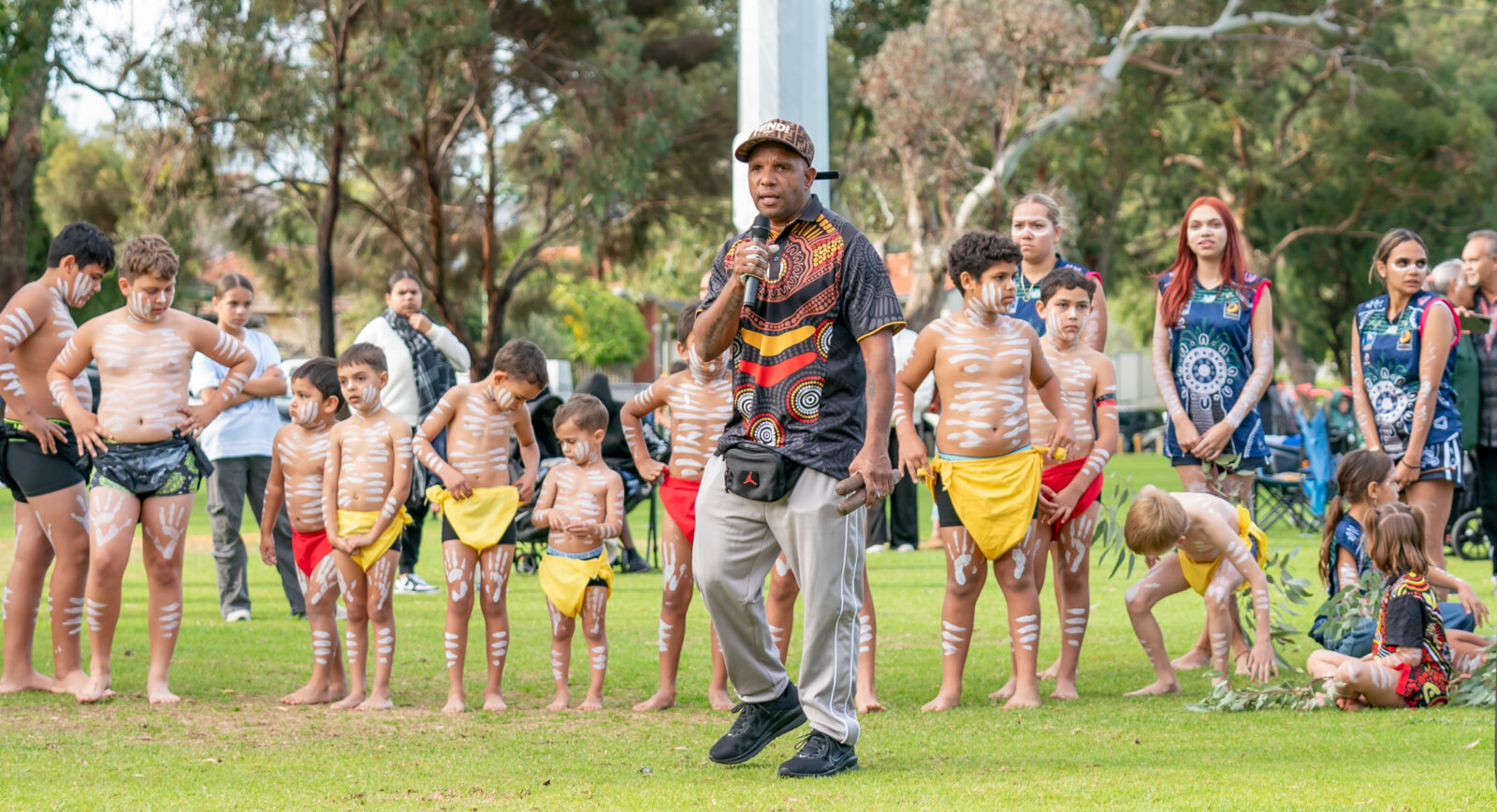
NAIDOC Week is a national movement celebrating the history, culture and achievements of Aboriginal and Torres Strait Islander peoples, with roots in early advocacy for First Nations rights and recognition. Each year’s theme encourages reflection, learning and action. Within the PFL, NAIDOC Round provides an opportunity for clubs to honour Traditional Custodians and demonstrate their commitment to reconciliation through artwork, storytelling, ceremonies and community connection.
Guide to Local Football Themed Rounds
A practical guide outlining how community football clubs can plan and run themed rounds throughout the season.
Indigenous Round | Resource Kit
Gippsport’s Indigenous Round Information Kit provides practical guidance and resources to help community clubs plan and deliver a meaningful and culturally respectful Indigenous Round.
An Acknowledgement of Country
What is the difference between a Welcome to Country and an Acknowledgement of Country?
‘Being welcomed to Country means that you are talking to your spiritual ancestors and you’re saying just let this person come through. We trust that they’re not going to do any harm on the Country and so do not harm them’ – Jude Barlow, Ngunnawal Elder.
An Acknowledgement of Country involves visitors acknowledging the original Aboriginal and/or Torres Strait Islander custodians of the land and their long and continuing relationship with their Country. It is a way of showing awareness of and respect for Aboriginal and/or Torres Strait Islander custodians of the land on which an event is being held.
Example of a Standard Acknowledgement of Country
“We/I would like to acknowledge the Whadjuk people of the Noongar Nation (or replace them with the appropriate group if the event is held outside of Perth or interstate), who are the traditional custodians of the land on which this event is taking place. We/I would also like to pay respect to the Elders of the Noongar nation (or replace them with the appropriate group if the event is held outside of Perth or interstate), both past, present and emerging on land we gather and extend that respect to other Indigenous Australians and non-Indigenous Australians who are present.”
Cultural Awareness Education
Leagues and clubs are encouraged to build their knowledge and understanding of Aboriginal and Torres Strait Islander culture and heritage through cultural awareness and inclusion training opportunities.
If your club would like to host a cultural inclusion session, we’d love to support you.